Our Story
Hollow-trek was founded in Melbourne by a group of architectural historians who shared a common frustration: standard sightseeing tours often reduced extraordinary buildings to mere photo opportunities, missing the deeper narratives that make architecture so compelling.
What began as informal walking tours for friends and colleagues quickly grew into a structured programme. Word spread among design professionals, academics, and culturally curious travellers seeking substance over superficiality. Today, we operate across 28 European cities, partnering with local experts who share our commitment to rigorous yet accessible architectural education.
Our Mission
To transform how people engage with built heritage by providing experiences that combine scholarly depth with genuine enthusiasm, making architectural history relevant and memorable for participants of all backgrounds.
What Sets Us Apart
Unlike conventional tour operators, we prioritise understanding over sightseeing. Our guides hold advanced degrees in architectural history, art history, or related fields. They are not just knowledgeable—they are passionate communicators who can explain complex concepts clearly and respond thoughtfully to questions.
We limit group sizes to ensure meaningful interaction. Our itineraries avoid overcrowded hotspots during peak hours, instead revealing lesser-known gems alongside famous landmarks. We believe that standing quietly in a 14th-century chapel with space to contemplate is worth more than jostling for photos at a famous facade.
Our Approach
Every programme we offer follows a carefully considered methodology. We begin with context—the social, economic, and cultural conditions that shaped building practices in a given era. Only then do we examine specific structures, connecting formal qualities to historical circumstances.
We encourage participants to look closely and ask questions. Why did medieval builders choose pointed arches? How did Renaissance patrons influence design decisions? What engineering innovations made iron and glass exhibition halls possible? These inquiries lead to richer understanding than simply cataloguing dates and names.
Founded in Melbourne
2009First informal walking tours organised for local architecture enthusiasts
European Expansion
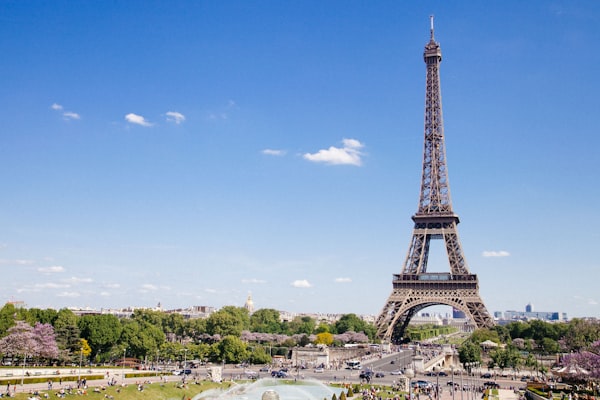
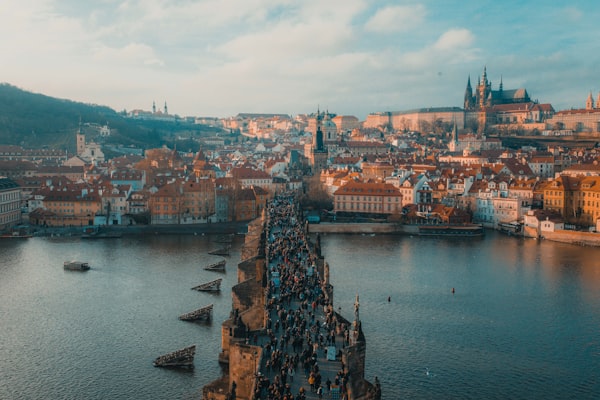
2012Established partnerships with guides in Paris, Rome, and Prague
Photography Programme Launch
2015Introduced specialised workshops for architectural photography
Consultation Services
2018Expanded offerings to include heritage research and advisory work
28 Cities Network
2023Reached milestone of operations across 28 European destinations